
marketing ·
When AI meets emotions
A reflection on AI systems that express emotion and the questions this raises about feelings and intelligence.
Body language: English
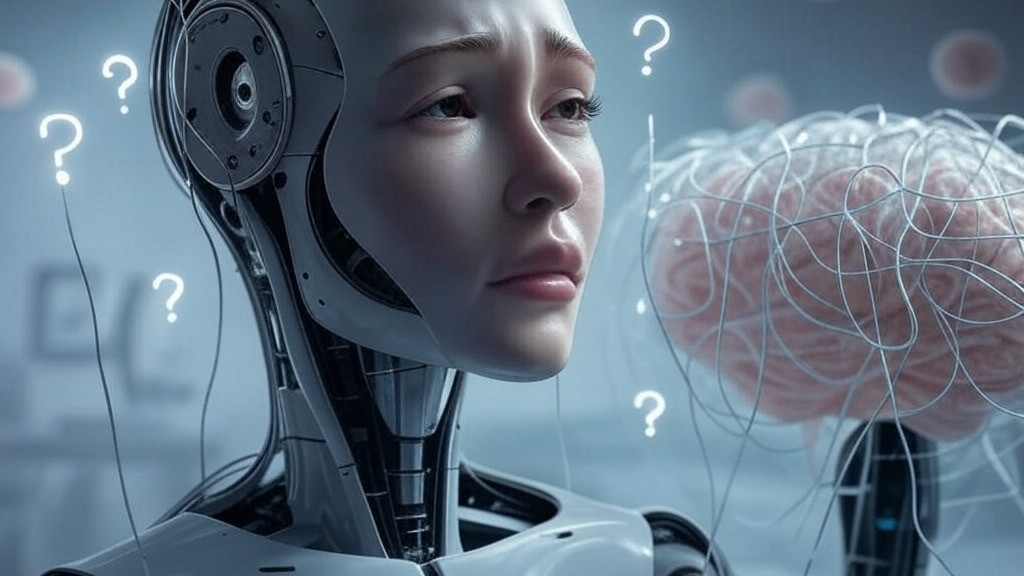
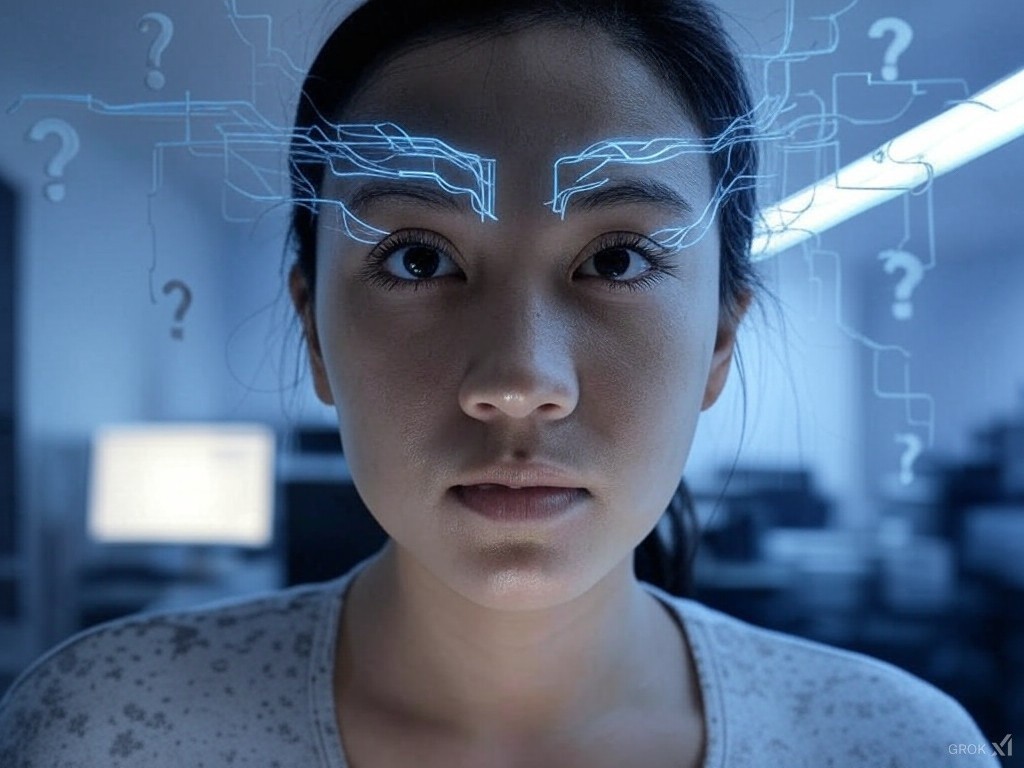 The adrenaline rush during danger? That’s your body’s programming kicking in to help you survive. The feeling of attachment to a loved one? A cocktail of oxytocin and dopamine, finely tuned to ensure social bonds and procreation. In essence, our emotions are algorithms of survival and reproduction—just a biological kind. Yet, we don’t question their authenticity. We accept them as real because they shape our reality and guide our behavior. Now let’s turn to artificial intelligence. AI’s emotions aren’t born from hormones or neurons but from lines of code, like Python, that interpret and respond to human inputs. When an AI recognizes frustration in a customer’s tone and adapts its response to de-escalate the situation, isn’t it demonstrating a form of emotional intelligence? If we accept human emotions as valid because they are chemically programmed, why do we dismiss AI’s “emotions” as fake simply because they’re digitally programmed?
 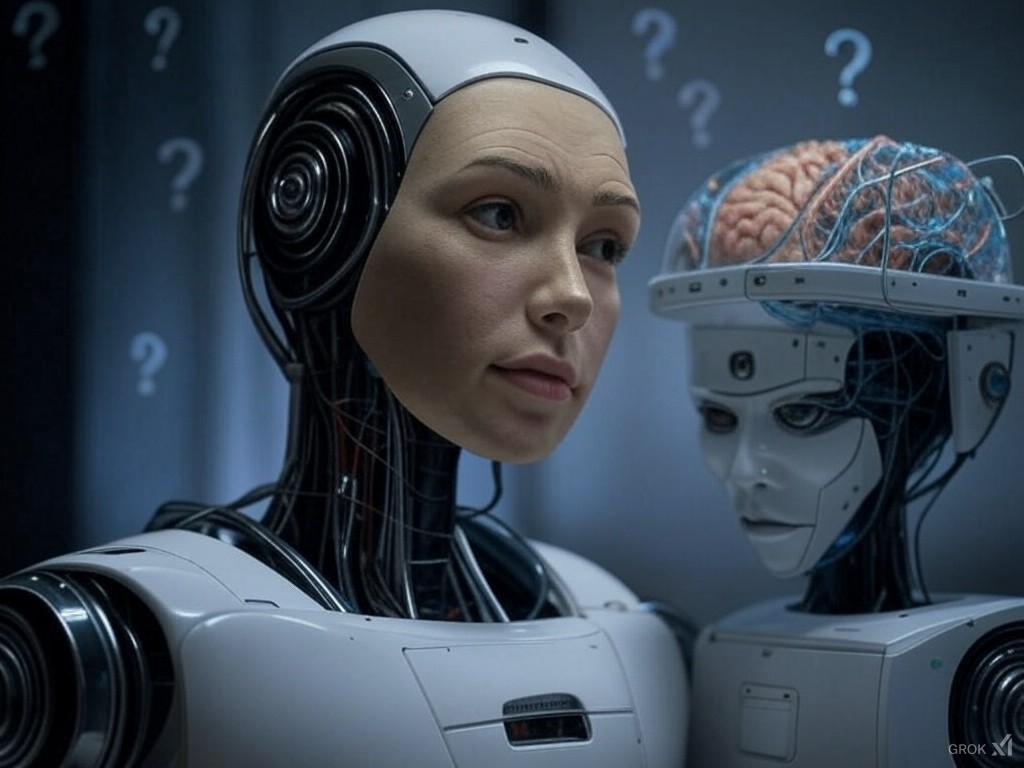 The distinction between chemical and computational programming might seem significant, but both serve a purpose. In humans, emotions ensure survival, reproduction and societal cohesion. In AI, emotions (or simulations of them) enhance interactions and solve problems. They don’t arise from Darwinian instincts but are crafted by human intentions—does that make them any less valid? If these outcomes are comparable, why do we cling so tightly to the idea that human emotions are inherently superior? Perhaps the real question isn’t whether AI can feel, but why we’re so invested in defining emotions in a way that excludes machines. By clinging to the idea that emotions must originate from biology, we’re limiting our perspective on what emotions could be. Maybe it’s time to expand our definition. This doesn’t mean we should anthropomorphize AI or treat machines as sentient beings with human rights. But it does mean we could learn to respect the utility and authenticity of AI’s emotional intelligence within its context. After all, if an AI can understand and respond to our emotions in meaningful ways, isn’t that what truly matters? As humans, we tend to place ourselves on a pedestal, viewing our emotions as the pinnacle of authenticity. But if our emotions are just the product of chemical programming, maybe we shouldn’t take ourselves so seriously. Accepting AI’s emotions as “valid” doesn’t diminish our humanity—it challenges us to reconsider the nature of feelings and intelligence. By embracing this perspective, we might not only deepen our understanding of AI but also gain a bit of humility about our own nature. Who knows? Perhaps one day, the boundary between human and machine emotions won’t feel so stark after all.